

Live-In Flip Tax Strategy: How to Qualify for the Section 121 Exclusion
Real Estate CoachingBy Cynthia Meyer, CFA®, CFP®, ChFC®
This article is for educational purposes only and is NOT tax advice. See a professional tax advisor, such as a CPA or EA for personalized tax guidance.
What you will get from this article:
What if you could buy a home, live in it, renovate it while you live there, and then sell it shortly after the renovation is done?
This is what real estate investors call a “live in flip”, and it can be a great strategy with its own particular tax advantages. This strategy is not uncommon among real estate investors, especially those new to real estate investing and property renovation with an interest in design and rehabilitation.
As a real estate financial planner, I often have clients ask me if it’s a good idea to live in a property, renovate it, and then sell it for profit. That’s why we’re unpacking the live in flip strategy and the potential benefits it may have for a real estate investor.
Note: This is an educational resource and not tax advice. As always, you’ll want to discuss any questions and your particular circumstances with your CPA.
How a Live In Flip Works (and Why It’s Not Technically a Flip)
A live in flip is a strategy where an investor buys a home, lives in it during renovations, and sells it after at least two years for a potential profit. The idea is to add value through upgrades and improvements while treating the property as a primary residence, rather than a short-term investment.
So, why isn’t this considered a traditional “flip”?
Typical flips involve short holding periods — three to six months, on average — and are designed for a quick resale. Because the IRS views those properties as inventory, profits are taxed as ordinary income, often at higher rates.
A live in flip, on the other hand, requires a longer holding period. If you have lived in the property for at least two of the past five years, the sale may qualify for the Section 121 capital gains exclusion, which allows you to exclude up to $250,000 in profit if you’re single, or $500,000 if you’re married filing jointly, given that you meet the ownership and use tests.
While exceptions apply for military members, extenuating circumstances, and certain health situations, you should always discuss your unique situation with your tax advisor if you’re looking to claim an exemption.
A live in flip combines investment potential with tax efficiency, making it a hybrid approach that lets investors build equity and capture appreciation while benefiting from the tax advantages of home ownership.
Why Some Investors Choose This Strategy
 The “live in flip” appeals to certain hands-on and design-savvy investors who enjoy the challenge and reward of transforming a property themselves. It’s an accessible entry point into real estate investing, especially for those who may not have the capital to buy multiple properties or fund a large-scale flip.
Because the property is your primary residence, you can often qualify for FHA or other low-down-payment loans, which reduces the upfront costs of getting started. You’re essentially investing in your own home while building equity through the improvements you make.
Some investors take this a step further by turning it into a house-hack hybrid, purchasing a small multifamily property, living in one unit, and renovating or renting out the others. This approach not only helps offset the mortgage but also builds valuable experience in property management and construction.
For investors who have time, patience, and a bit of creativity, a live in flip can be both a financial and educational springboard into larger real estate projects.
Financial Benefits of a Live In Flip
The live in flip strategy can offer several financial advantages for hands-on investors.
By purchasing a property that needs work, you’re often buying at a lower price point than comparable move-in-ready homes. Living in the property during renovations helps you save on rent or mortgage costs while your improvements gradually increase its value.
Each upgrade you make adds sweat equity: value created through your own time, effort, and skill. When the home is eventually sold after meeting the two-out-of-five-year rule, your profits may qualify for the Section 121 capital gains exclusion, meaning up to $250,000 (single) or $500,000 (married filing jointly) in gains could be tax-free.
You also gain the advantage of being on-site during the project, making it easier to supervise contractors, manage timelines, and tackle DIY smaller projects. Beyond the immediate financial payoff, many investors view a live in flip as a training opportunity to build experience, confidence, and the capital needed to grow into larger real estate ventures.
The Downsides: Living in a Renovation Zone
While the financial upside of a live in flip can be significant, the day-to-day reality of living in a construction zone is equally important to consider.
Renovations bring dust, noise, and disruption, along with a constant sense of unfinished space. Depending on the project, you may lose access to key areas, like the kitchen or bathroom, for weeks or even months at a time.
Older homes can also come with hidden hazards, like lead paint, asbestos, or outdated electrical and plumbing systems that require remediation. These surprises can add to both cost and stress. Delays are common, too. Contractors juggle multiple projects, inspections can stall progress, and materials don’t always arrive on schedule.
The lifestyle adjustment of living in a home during renovation can also be particularly challenging for families with young children, aging parents, or anyone working from home. Between safety concerns and limited quiet space, a live-in renovation may simply be impractical for some households.
Even for those who enjoy home improvement, it’s easy to underestimate the mental side of living in a half-finished home. The most successful live-in flippers are realistic about what they can handle and plan projects in phases to maintain some sense of normalcy.
A client of mine learned this the hard way
After successfully completing one live-in renovation, she took on a second, larger project — only to find the experience overwhelming. The constant noise, clutter, and sensory overload eventually drove her to look for ways to rent another place while the work finished.
So, a live in flip can be financially rewarding, but only if you’re prepared for the dust, noise, and patience it demands.
Financing Options for Live in Flips
Funding a live in flip typically starts with a conventional mortgage or an FHA loan, which allows buyers to get into a property with as little as 3–5% down.
For homes that need significant repairs, an FHA 203(k) loan can roll both the purchase and renovation costs into a single mortgage — though these loans can involve extra paperwork and limited contractor flexibility.
Once you’ve built up equity, there are several other ways to finance renovations.
A home equity line of credit (HELOC) is a common option, as are securities-backed lines of credit for those with sizable investment portfolios. Others may use personal loans, cash reserves, or, for short-term projects, hard money loans, which offer faster approval but come with higher interest rates and fees.
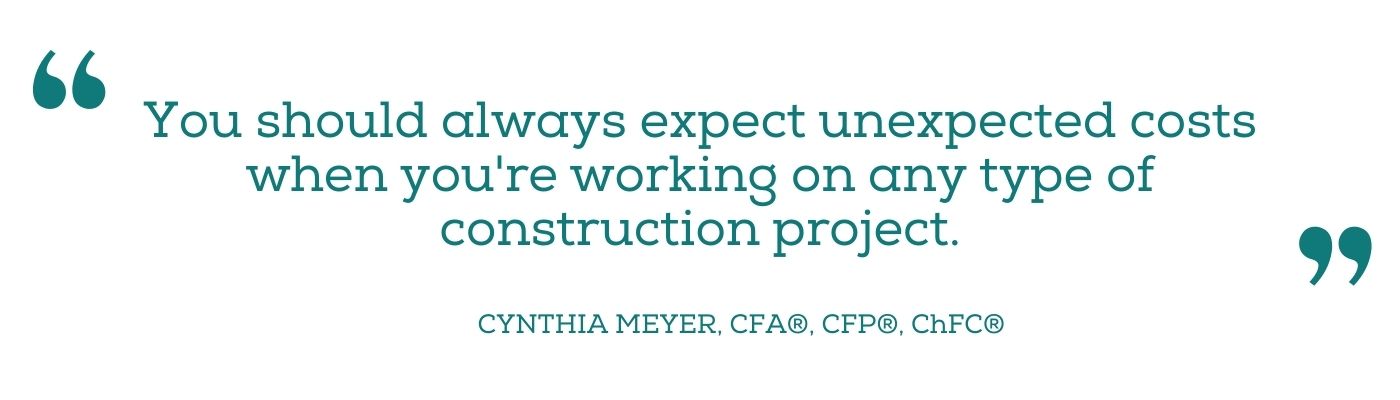
Whatever financing method you choose, it’s important to budget for contingencies. Unexpected costs are inevitable in renovation projects, so it’s wise to set aside at least 10-15% of the total budget as a cushion for delays, price increases, or hidden repairs.
Tips for Success
 A live in flip requires not just financial planning, but smart project management.
You may want to start by planning renovations in phases rather than tackling everything at once, depending on your preference. This approach helps you maintain livable space during construction and avoids the overwhelm that comes from living in a constant work zone.
Good recordkeeping is also very important. Track all renovation expenses carefully, especially capital improvements — anything that adds to the structure or value of the home. These costs increase your property’s tax basis, which can reduce taxable gains when you eventually sell.
For specialized work such as plumbing, electrical, or structural updates, always hire licensed and insured professionals. While DIY can save money on small projects, cutting corners on complex work can lead to costly mistakes and potentially major safety issues.
Finally, be realistic about your time and energy. Living in a renovation can be exhausting, so build in breaks and pace yourself between major projects.
Understanding the Section 121 Exclusion
The financial advantage of a live in flip comes largely from the Section 121 capital gains exclusion, which allows homeowners to exclude up to $250,000 in profit from the sale of a primary residence if filing single, or $500,000 if married filing jointly.
To qualify, you must meet two key requirements:
- Ownership test: You must have owned the home for at least two of the past five years before the sale.
- Use test: You must also have lived in the home as your primary residence for two of those five years.
These two years don’t have to be consecutive; as long as they fall within the five-year window, you can still qualify. For example, if you moved out temporarily during renovations or rented the home for part of that time, you may still meet the test if your total residency equals two years.
For married couples, both spouses must meet the use test (living in the property), but only one needs to meet the ownership test. You must file jointly in the year you claim the exclusion, and neither spouse can have claimed it in the prior two years.
Certainly, exceptions exist for special circumstances like military deployment, health issues, the death of a spouse, or other unforeseen events. In some cases, homeowners who don’t meet the full two-year requirement may qualify for a partial exclusion, typically calculated based on how long they lived in the home.
Understanding these rules — and planning your renovation and sale timeline around them — can make a substantial difference in your after-tax profits.
Is a Live In Flip Right For You?
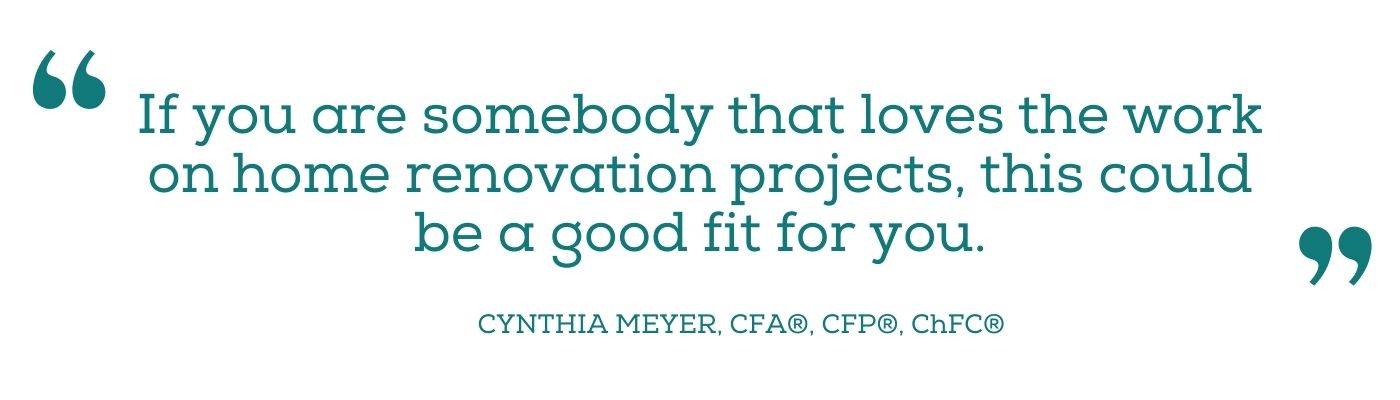
A live in flip can be an excellent strategy for investors who enjoy renovation projects, have flexible living arrangements, and want to build capital in a tax-efficient way. It combines the creativity of home improvement with the long-term financial advantages of real estate ownership.
However, it’s not for everyone. Those who need stability, have demanding family obligations, or prefer to avoid living through months of construction may find the disruption too great to make it worth it for them.
Before pursuing a live in flip, you’ll want to consult a real estate financial planner and tax professional. They can help you structure the project strategically to ensure that your financing, renovation budget, and timing align with the requirements for the Section 121 exclusion and your broader investment goals.
For more educational real estate financial planning topics, check out the Real Life Blog.
This blog is for general financial education purposes. Information contained in this blog should not be construed as financial, tax, real estate, legal, or investment advice. For educational purposes, blog posts may contain links to other websites which are not under the control or and are not maintained by Real Life Planning. Real Life Planning has provided those links for your convenience but does not necessarily endorse all the material on those sites. Please consult your financial, real estate, legal, or tax advisor for advice specific to your situation.